Evidence-Based Brain Surgery Recovery Toolkit
Evidence-rated interventions to support your brain's recovery — supplements, devices, breathwork, movement, and therapy.
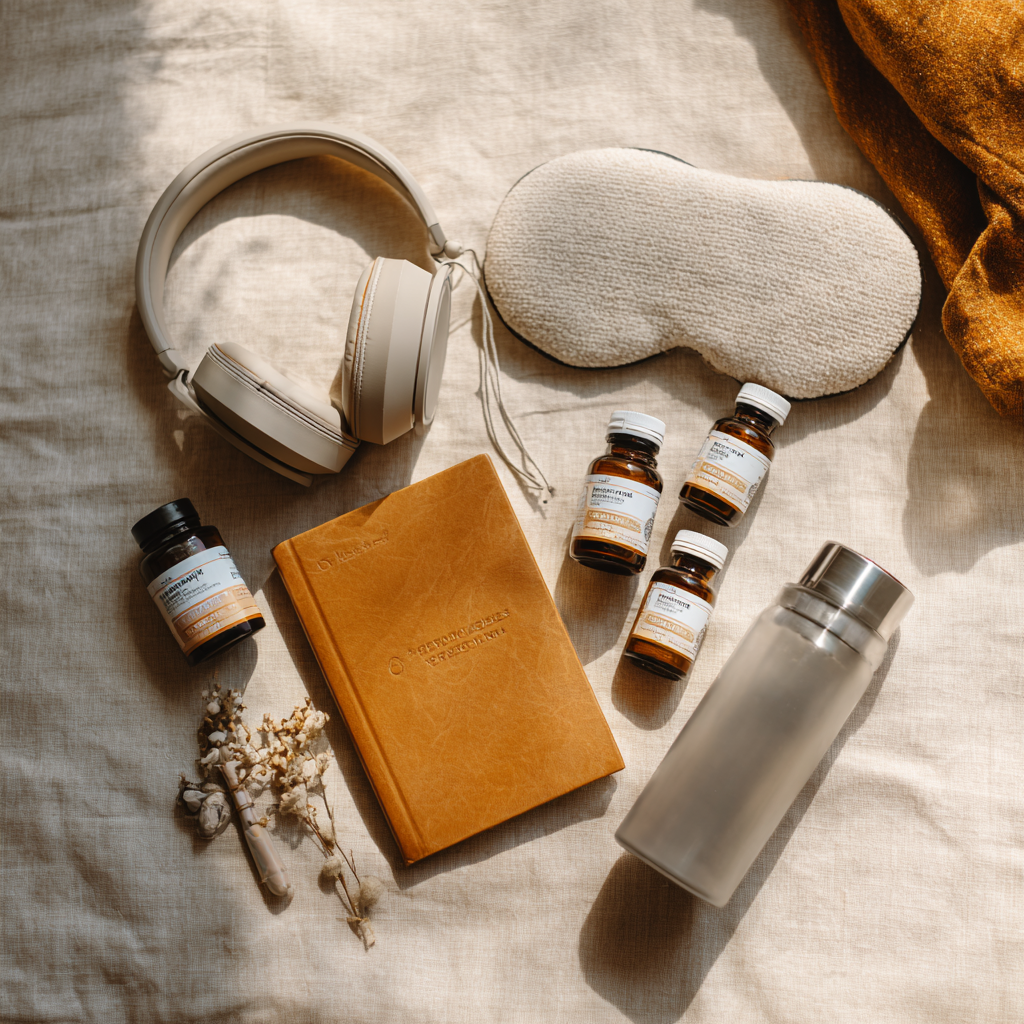
Your brain is an organ. It heals like an organ. And like any healing organ, it needs raw materials, rest, and the right conditions. This toolkit is organized by category, with evidence tiers so you know what is well-proven, what is promising, and what is emerging. Nothing here is a prescription — always discuss supplements and interventions with your surgical team before starting.
Download the Book for Free: Still You: Emotional Recovery After Brain Surgery covers everything on this page and more — in a format you can read offline, share with your care team, or give to your family.
This is an advance preview edition. A final version will be available on Amazon after editing is complete.
Evidence Tiers
Tier 1: Strong clinical evidence (randomized controlled trials, meta-analyses)
Tier 2: Emerging evidence with clinical promise (smaller trials, strong mechanistic data)
Tier 3: Preclinical or early-stage (animal studies, case reports, pilot data)
Tier 4: Experiential (widely reported by patients, not yet formally studied in post-surgical populations)
Transparency note: Two links in this toolkit are affiliate partnerships (Fullscript and Neuronic), marked where they appear. Dr. Whitney may receive a small commission on purchases made through those links. These recommendations reflect his clinical judgment and are not influenced by affiliate relationships.
Browse the full toolkit by category
Body Foundations
Sleep, sunlight, movement, nutrition, and medication awareness — the non-negotiable base layer.
Supplement Stack
Evidence-rated supplements for brain recovery: omega-3s, creatine, magnesium, and more.
Devices & Techniques
Breathwork, HRV tracking, neurostimulation, and temperature exposure.
Support Resources
Organizations, crisis lines, support groups, therapy options, and disability resources.
The Phased Recovery Protocol
Do not add everything at once. Build your protocol gradually.
Acute Phase (Weeks 1–4)
Sleep protection. Walking when cleared. Anti-inflammatory nutrition. Omega-3 and vitamin D supplementation. One breathwork technique practiced daily. Nature exposure when possible. This is the foundation. Everything else builds on it.
Subacute Phase (Months 1–3)
Add creatine, magnesium L-threonate, NAC. Begin HRV tracking. Consider a vagal stimulation device. Start journaling and emotional inventory. Pursue therapy referral if not already in place. Gradually increase walking.
Long-Term Phase (Months 3+)
Consider TMS if emotional recovery has plateaued. Explore neurofeedback or photobiomodulation. Add lion's mane, curcumin, and adaptogens. Begin cognitive rehabilitation if needed. Plan return to work with appropriate accommodations.
The best recovery plan is the one that fits your life, your needs, and your brain. Start where you are. Add what makes sense. Skip what does not. Bring this page to your next appointment and discuss it with your care team.
Full affiliate disclosure: Dr. Whitney is an affiliate partner of Fullscript and Neuronic. He may receive a small commission on purchases made through those two links. Both are marked with “(affiliate link)” where they appear. These recommendations reflect his clinical judgment and would remain the same without the affiliate relationship. Revenue from those relationships currently helps keep these resources free and is intended to transition into the Still You Foundation as its nonprofit structure is finalized. Patients should feel free to source any recommended product from the vendor of their choice. The 10% discount offered through both links is passed directly to you.